Make the area safe before inspecting the crack
Start with two questions: Is the area safe, and what do we actually know? Keep people away from the pane and anywhere glass could fall. If the glass is in a door, stop using the door if a safe alternative is available. Do not press the pane, peel the film, remove trim or step close for a photograph. Even if film is holding pieces together, have a glazier assess and secure the opening. Do not wait for a warranty decision to make the area safe.
Document the pane, the film and the timeline
- Record the room, floor, window number and which side of the building it faces. For a double-pane unit, note which pane appears cracked or mark it unknown.
- Write down when the film was installed, when the crack was first noticed and whether anyone reported an impact or work nearby. First noticed is not necessarily when it happened.
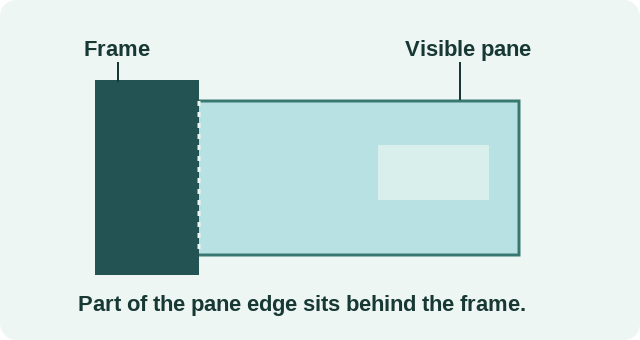
- From a safe position, get a wide picture that shows the full window and frame. Get a closer view only if safe. Note partial shade, a nearby heat vent, close blinds or displays. Leave a hidden glass edge alone and ask the glazier what evidence can be retained.
- Pull the exact film name, application side, glass identification, pane dimensions, pre-install photos, compatibility approval and warranty. Separate what the file confirms from what still needs checking.
Use the technical issue report to keep those observations together.
A crack pattern is a clue, not a diagnosis
Thermal stress means one area of the pane warms or cools differently from another. A crack starting at the edge and running close to a right angle can be consistent with thermal stress. Partial shade, heat near the glass and a weakened edge can all matter. Some solar films change how much energy the glass absorbs, which is why the exact film and glazing combination matters. Neither the timing nor a single photo establishes what caused the break. Treat a suspected impact, edge defect or thermal cause as unconfirmed until a qualified inspection supports it.
Check the warranty before promising a replacement
Notify the installer or supplier promptly and ask what the claim requires. Film defects, thermal glass breakage and a failed seal in a double-pane unit may have separate terms. Match the paperwork to the actual film and job. Before fitting film to replacement glass, verify what the glazier installed and check compatibility again. The new pane may not match the original.
What to tell the customer: “Please keep clear of the window. Let’s get the glass checked first. I’ll pull the film and installation records so we can find out what happened and what options you have.”
Sources & scope
Use the linked originals for current provider requirements. These links do not imply affiliation, endorsement or project approval.
- Suggested procedures for dealing with broken glassSafety and handling before investigating the cause.Source checked . This is our check date, not a publication date.
- Glass breakage and fracture analysisHow break patterns are examined; an image alone does not settle cause.Source checked . This is our check date, not a publication date.
- Recommendations for avoiding glass failuresGlass and installation conditions associated with thermal stress and seal failure.Source checked . This is our check date, not a publication date.
- Flat-glass film and attachment warranty exampleProduct-specific claim terms and professional removal guidance.Source checked . This is our check date, not a publication date.